
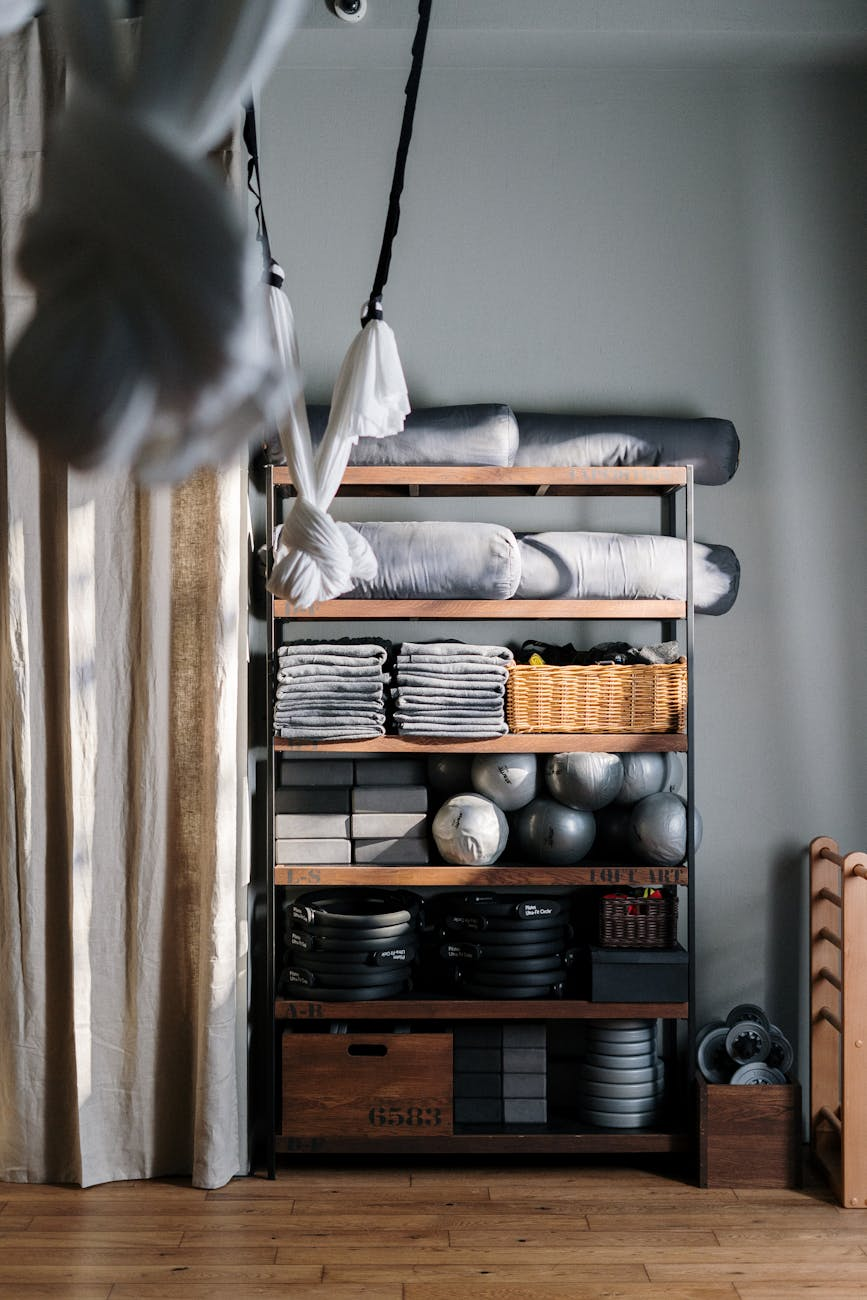
Practicing yoga with an autoimmune disease can be deeply healing—but it can also come with unique challenges. Fatigue, joint pain, inflammation, muscle weakness, and limited mobility often need a more mindful, supportive approach to movement. That’s where yoga props like blocks and straps become essential tools rather than optional accessories.
Using yoga blocks and straps can help make yoga safer. These props make yoga more accessible and more sustainable. This is particularly beneficial for people with autoimmune conditions like rheumatoid arthritis, lupus, multiple sclerosis, Hashimoto’s disease, Crohn’s disease, and others. In this article, we’ll explore how these simple props can transform your yoga practice and support your body on both high-energy and low-energy days.

Why Yoga Props Matter for Autoimmune Conditions
Autoimmune diseases often fluctuate, with periods of flare-ups and remission. On some days, your body feels strong and flexible; on others, even basic movements can feel exhausting or painful. Traditional yoga poses—especially when practiced without support—can unintentionally strain joints, muscles, or connective tissue.
Yoga blocks and straps help bridge the gap between where your body is today and how a pose traditionally “looks.” This lets you experience the benefits of yoga without pushing past your limits.
1. Reduced Joint Strain and Pain
Yoga blocks give extra height and stability, which is especially helpful if you experience joint pain, stiffness, or swelling. By bringing the floor closer to you, blocks reduce pressure on vulnerable areas like the wrists, knees, hips, and shoulders.
For example:
- In forward folds, blocks prevent over-rounding the spine
- In standing poses, blocks offer balance support
- In seated poses, blocks elevate the hips to ease pressure on the lower back
This joint protection is crucial for people with inflammatory or degenerative autoimmune conditions.
2. Improved Balance and Stability
Many autoimmune diseases affect balance, coordination, or muscle strength. Yoga blocks act as physical support systems, helping you feel grounded and secure in poses.
Using blocks:
- Builds confidence in standing poses
- Reduces the risk of falls
- Allows you to focus on breath and alignment rather than fear of losing balance
This is particularly helpful for those with neurological autoimmune conditions or chronic fatigue.
3. Greater Energy Conservation
Fatigue is one of the most common symptoms of autoimmune disease. Yoga blocks allow you to alter poses without overexerting, helping you conserve energy while still gaining benefits.
Instead of forcing yourself deeper into a pose, blocks let you:
- Rest longer
- Move more slowly
- Avoid post-practice crashes
This makes yoga a sustainable long-term practice rather than something that drains you.

Benefits of Using Yoga Straps for Autoimmune Yoga Practice
1. Increased Flexibility Without Overstretching
Yoga straps are excellent for maintaining safe alignment when flexibility is limited due to pain, stiffness, or inflammation.
Straps help you:
- Reach limbs comfortably
- Maintain proper posture
- Avoid overstretching muscles and connective tissue
This is especially important for people with autoimmune conditions that affect joints or connective tissue, where overstretching can cause flare-ups.
2. Safer Range of Motion
Autoimmune diseases can reduce mobility or cause asymmetry in the body. Yoga straps allow you to work within your current range of motion. They prevent you from forcing your body into a shape it’s not ready for.
For example:
- In seated stretches, a strap allows gentle engagement without strain
- In shoulder openers, straps protect inflamed or unstable joints
This supports healing and prevents injury.
3. Improved Muscle Engagement and Strength
Straps aren’t just for stretching—they also help with muscle activation and strength building. By gently pulling against the strap, you can engage muscles without using excessive force.
This controlled engagement is ideal for:
- Preventing muscle loss during periods of inactivity
- Supporting rehabilitation
- Building strength safely over time
Emotional and Mental Health Benefits of Using Props
Living with an autoimmune disease can impact mental health negatively. It often brings feelings of frustration, grief, or disconnection from the body. Yoga blocks and straps encourage a compassionate, non-competitive approach to practice.
Using props reinforces the idea that:
- Yoga adapts to you—not the other way around
- Rest and modification are valid
- Progress is not linear
This mindset can be profoundly healing and empowering.

Making Yoga More Accessible and Inclusive
One of the biggest benefits of using yoga props is accessibility. Blocks and straps help make yoga inclusive for people with:
- Chronic illness
- Limited mobility
- Pain conditions
- Variable energy levels
Rather than skipping practice on difficult days, props allow you to show up in a way that honors your body’s needs.
Tips for Practicing Yoga With Autoimmune Disease Using Props
- Choose lightweight foam or cork blocks for easy handling
- Use longer straps if shoulder mobility is limited
- Practice near a wall for added support
- Focus on gentle or restorative yoga styles
- Listen to your body and rest when needed
Always consult a healthcare provider or qualified yoga therapist if you’re unsure which poses are appropriate for your condition.
Final Thoughts: Props Are Tools for Healing, Not Shortcuts
Using yoga blocks and straps when practicing yoga with an autoimmune disease isn’t about doing less. It’s about doing what’s right for your body. These tools support safety, sustainability, and self-compassion, allowing yoga to remain a source of healing rather than stress. If you’re looking for pointers on how to love your body the way it needs, reach out here to get a yoga plan designed just for you!
By embracing props, you create a practice that meets you where you are today—and supports you for the long term.
